The traditional one-size-fits-all approach to education is rapidly becoming obsolete in our fast-paced, technology-driven world. As artificial intelligence continues to transform every aspect of our lives, it’s also revolutionizing how we learn and develop new skills.
Personalised AI learning represents a paradigm shift from standardised curricula to intelligent, adaptive systems that respond to individual learner needs, preferences, and capabilities in real-time.
This revolutionary approach leverages machine learning algorithms, data analytics, and cognitive science to create truly customised educational experiences. Unlike traditional learning methods that follow linear progression paths, adaptive AI technology continuously adjusts content difficulty, presentation style, and pacing based on each learner’s unique profile and performance patterns.
Understanding personalised learning
What makes learning truly personal?
Personalized AI learning goes far beyond simply adding a learner’s name to course materials or allowing them to choose from preset learning paths. True personalisation involves creating dynamic, responsive educational experiences that adapt to multiple dimensions of individual learning characteristics.
Every learner brings a unique combination of prior knowledge, learning preferences, cognitive abilities, motivational factors, and time constraints to their educational journey. Traditional learning systems treat these differences as variables to be accommodated rather than leveraged as strengths to be optimized.
AI-powered learning platforms analyze vast amounts of data points, including response times, error patterns, engagement levels, preferred content formats, and learning schedule preferences. This comprehensive analysis enables the system to create detailed learner profiles that go beyond basic demographic information to understand cognitive and behavioral patterns.
The Science Behind Adaptive Learning
The foundation of personalized AI learning rests on several key scientific principles from cognitive psychology and educational research. Adaptive learning algorithms incorporate theories such as Bloom’s Taxonomy, which categorizes learning objectives into different cognitive levels, and the Zone of Proximal Development, which identifies the optimal challenge level for effective learning.
Machine learning models continuously process learner interactions to identify patterns and predict optimal next steps. These algorithms consider factors like knowledge gaps, learning velocity, retention rates, and even emotional states derived from engagement metrics. Natural language processing capabilities enable systems to understand and respond to learner questions and feedback in contextually appropriate ways.
The technology also incorporates spaced repetition algorithms that optimize review timing based on individual forgetting curves, ensuring long-term retention of learned concepts. This scientific approach transforms abstract educational theories into practical, measurable learning improvements.
Key components of adaptive learning systems
The key components of adaptive learning systems include the following
1. Real-time assessment and feedback
Traditional assessment methods provide snapshots of learning at specific moments, often weeks or months apart. Adaptive AI learning systems revolutionize assessment through continuous, real-time evaluation that occurs seamlessly during the learning process rather than as separate testing events.
These systems employ sophisticated algorithms to analyze every learner interaction, from time spent on specific concepts to mouse movement patterns and keystroke dynamics. This granular data collection enables precise identification of knowledge gaps and misconceptions as they emerge, rather than after they’ve become entrenched learning obstacles.
Immediate, personalized feedback replaces generic responses with contextually relevant guidance tailored to individual learning needs. The AI system can recognize when a learner is struggling with a particular concept and provide additional explanations, alternative examples, or supplementary resources automatically.
2. Dynamic content delivery
Adaptive learning platforms dynamically adjust content presentation based on individual learning preferences and effectiveness metrics. Some learners respond better to visual representations, while others prefer textual explanations or interactive simulations. AI systems identify these preferences through behavioral analysis and content performance tracking.
The technology enables real-time content modification, adjusting factors such as complexity level, explanation depth, example types, and presentation formats. Advanced systems can even modify the emotional tone and motivational elements of content based on learner engagement patterns and stress indicators.
Content sequencing also becomes highly personalized, with AI determining the optimal order for introducing concepts based on individual prerequisite knowledge and learning patterns. This approach ensures that each learner encounters information when they’re most prepared to understand and integrate it effectively.
3. Learning path optimisation
Traditional educational programs follow predetermined sequences that may not align with individual learning needs or goals. AI-powered adaptive learning creates dynamic learning paths that continuously evolve based on performance, interests, and objectives.
These personalized pathways consider multiple factors including career goals, current skill levels, time availability, and learning preferences. The system can identify the most efficient route to achieving specific competencies while maintaining optimal challenge levels and engagement.
Advanced pathfinding algorithms also consider interdependencies between concepts, ensuring that foundational knowledge is solidly established before progressing to more complex topics. This approach prevents knowledge gaps that can undermine future learning success.
Benefits of personalised AI learning for skill development
The benefits of personalised AI learning for skill development include the following
1. Accelerated learning curves
Personalized AI learning dramatically reduces the time required to achieve learning objectives by eliminating inefficiencies inherent in traditional educational approaches. By focusing on individual knowledge gaps and avoiding unnecessary repetition of already-mastered concepts, learners can progress more rapidly toward their goals.
Research indicates that adaptive learning systems can reduce learning time by 30-50% while maintaining or improving learning outcomes. This acceleration occurs through optimized content sequencing, elimination of redundant instruction, and precise targeting of remediation efforts.
The technology also enables parallel learning of complementary skills, identifying opportunities to develop multiple competencies simultaneously when cognitive load and prior knowledge permit. This integrated approach accelerates overall skill development and creates stronger connections between related concepts.
2. Improved knowledge retention
Traditional learning often suffers from high forgetting rates, with learners losing significant portions of acquired knowledge within weeks of initial instruction. Personalized AI learning addresses this challenge through scientifically optimized review schedules and reinforcement strategies.
Spaced repetition algorithms analyze individual forgetting curves to determine optimal review timing for each concept and learner. This personalized approach to retention significantly improves long-term knowledge preservation while minimizing time investment in review activities.
The system also identifies and strengthens weak knowledge connections that could lead to forgetting, providing targeted reinforcement before memory decay occurs. This proactive approach to retention management ensures that learned skills remain accessible and applicable over time.
3. Improved engagement and motivation
Personalized learning experiences naturally increase engagement by aligning content and challenges with individual interests and abilities. AI systems maintain optimal difficulty levels that provide appropriate challenges without causing frustration or boredom.
Adaptive platforms can identify early signs of disengagement and respond with motivational interventions, content variety, or difficulty adjustments. This responsive approach maintains learner motivation throughout the educational journey, reducing dropout rates and improving completion statistics.
Personalized achievement recognition and progress tracking provide meaningful feedback that resonates with individual motivational profiles. Some learners respond to competitive elements, while others prefer collaborative or mastery-focused recognition systems.
Success stories
1. Corporate training transformation
Leading organizations across industries are implementing personalized AI learning systems to address skills gaps and improve employee performance. Companies report significant improvements in training effectiveness, completion rates, and knowledge transfer to workplace applications.
Technology companies use adaptive learning platforms to upskill employees in emerging technologies, with AI systems identifying individual learning needs and creating customized development paths. Financial institutions leverage personalized learning for compliance training, ensuring that employees master regulatory requirements efficiently and effectively.
Manufacturing organizations employ AI-powered learning systems for safety training and technical skills development, with adaptive platforms adjusting content based on role requirements, experience levels, and performance data. These implementations demonstrate measurable improvements in both learning outcomes and business performance metrics.
2. Academic achievement breakthroughs
Educational institutions implementing personalized AI learning report substantial improvements in student outcomes, engagement, and satisfaction. Universities use adaptive learning platforms for foundational courses, enabling students with diverse academic backgrounds to achieve consistent competency levels.
K-12 schools leverage AI-powered personalized learning to address individual student needs within classroom settings, providing teachers with detailed insights into student progress and learning challenges. This technology enables more effective differentiated instruction and targeted intervention strategies.
Professional certification programs utilize adaptive learning to improve pass rates and reduce preparation time, with AI systems identifying knowledge gaps and optimizing study plans for individual candidates.
The Future of personalised AI learning
1. Emerging technologies and trends
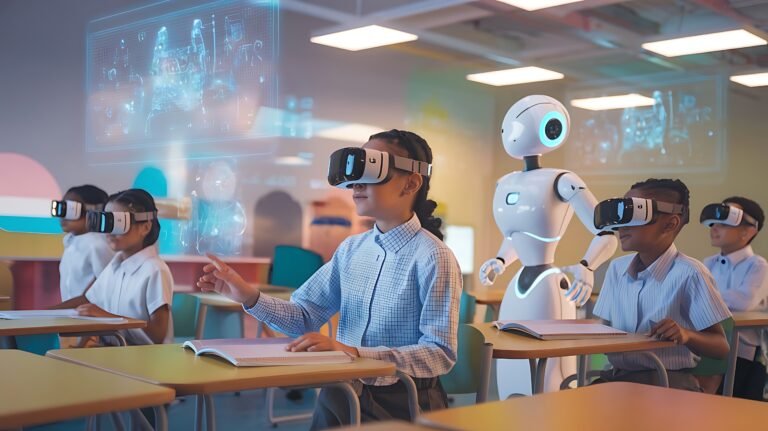
The future of personalized AI learning promises even more sophisticated and effective educational experiences through emerging technologies and methodologies. Virtual and augmented reality integration will create immersive learning environments that adapt to individual preferences and learning objectives.
2. Advanced natural language processing
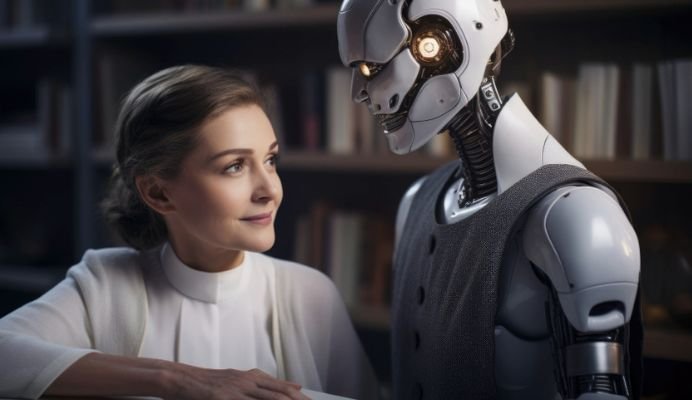
Advanced natural language processing will enable more conversational and intuitive interactions between learners and AI tutors, providing personalized explanations and guidance that feel increasingly human-like. Emotional AI capabilities will recognize and respond to learner emotional states, adjusting content and delivery methods to maintain optimal learning conditions.
3. Blockchain technology
Blockchain technology may revolutionize credential verification and skill tracking, creating comprehensive, tamper-proof records of personalized learning achievements that transcend individual platform boundaries.
Overcoming implementation changes
While personalized AI learning offers tremendous potential, successful implementation requires addressing several key challenges including data privacy concerns, technology infrastructure requirements, and educator training needs.
Organizations must develop robust data governance frameworks that protect learner privacy while enabling effective personalization algorithms. This balance requires careful consideration of data collection, storage, and usage policies that maintain learner trust while maximizing educational effectiveness.
Integration with existing educational systems and workflows requires thoughtful change management approaches that support educators and learners through technology adoption processes. Success depends on comprehensive training programs and ongoing support systems that enable effective utilization of AI-powered learning capabilities.
Conclusion
Personalized AI learning represents a fundamental shift from traditional educational approaches to intelligent, adaptive systems that respond to individual learner needs in real-time. This revolutionary technology accelerates skill development, improves knowledge retention, and enhances engagement through scientifically optimized, data-driven personalization.
As organizations and educational institutions continue to adopt these advanced learning systems, we can expect to see dramatic improvements in educational outcomes and learner satisfaction. The future of skill development lies in harnessing the power of artificial intelligence to create truly personalized learning experiences that unlock human potential and drive unprecedented levels of educational achievement.
The transformation is already underway, with early adopters demonstrating significant benefits across various industries and educational contexts. As AI technology continues to evolve, personalized learning systems will become increasingly sophisticated, accessible, and effective in revolutionizing how we develop skills and knowledge throughout our lives.